


Living in coastal Orange County is a dream for many. Whether you are in Newport Beach, Huntington Beach, or Dana Point, you have the ocean breeze, the beautiful sunsets, and the relaxed lifestyle. But, as any local homeowner will tell you, living by the beach comes with a “salt tax.”
Your car rusts faster. Your windows get foggy with salt spray. And your plumbing? It takes a serious beating.
Most people don’t think about their pipes until the water stops going down the drain. But in coastal areas, your plumbing faces two silent enemies that inland homes don’t have to worry about nearly as much: Sand and Salt.
If you have ever wondered why your shower drains seem to clog faster here than they did when you lived inland, you aren’t imagining it. This guide explores exactly what the coastal environment does to your pipes and, more importantly, how professional drain cleaning can save you from a sewage disaster.
The Sand Problem: It’s Heavy and It Stuck
If you visit the beach, you bring the beach home with you. It is inevitable.
You rinse off at the outdoor shower (if you’re lucky), or you jump straight into the master bath. You shake out your towels in the laundry room. You rinse your wetsuit in the garage sink.
Here is the problem: Sand is not like dirt.
When you wash dirt down a drain, it usually dissolves or turns into mud that flows easily with water. Sand does not dissolve. It is actually tiny rocks. Because sand is heavier than water, it doesn’t float. It sinks.
How Sand Creates a Blockage
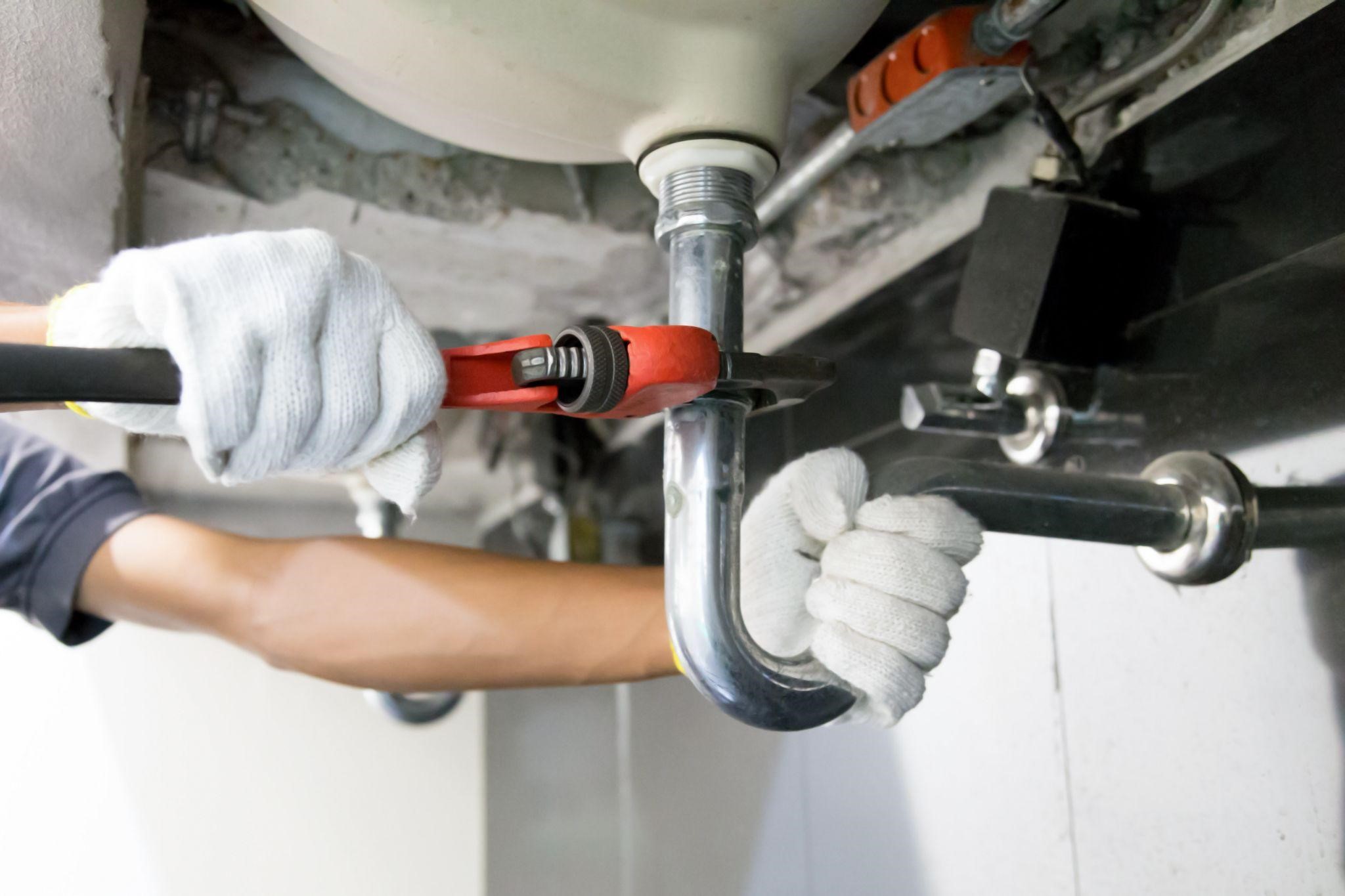
Imagine your drain pipe is a slide. Water rushes down it. But sand acts like gravel. It settles at the bottom of the “P-trap” (the U-shaped pipe under your sink) or in the horizontal pipes running under your house.
Once a layer of sand settles, it acts like sandpaper. It catches other things.
- Hair: Strands of hair snag on the gritty sand.
- Soap Scum: Sticky soap residue clings to the sand pile.
- Grease: Kitchen grease hits the sand and hardens.
Before you know it, you have a concrete-like blockage that a simple plunger cannot move.
A Scary Statistic:
According to coastal plumbing maintenance reports, homes within 5 miles of a sandy coastline experience 30% more drain blockages annually than inland homes, primarily due to sediment and sand accumulation in the trapways.
The Salt Problem: The Invisible Eater
While sand causes physical blockages, salt causes chemical damage.
You might think, “I don’t pour salt water down my drain.” But if you live near the coast, the air itself is salty. This salt air enters your home’s vent pipes (the pipes on your roof that let air into your plumbing system).
If you have older plumbing, specifically cast iron or copper pipes, salt is kryptonite. It accelerates corrosion.
What is Corrosion?
Corrosion is just a fancy word for rusting or eating away. When salt air and moisture mix inside older metal pipes, the pipe walls start to flake off. These flakes of rust fall into the pipe, creating a rough surface.
Instead of water sliding down a smooth tube, it is now trying to flow over a jagged, rusty road. Toilet paper and waste catch on these rusty jagged edges, leading to—you guessed it—frequent clogs.
Sand vs. Salt Damage
Here is a quick way to understand the difference between the two main coastal hazards.
| Feature | The Sand Issue | The Salt Issue |
| What it is | Physical debris tracked into the home. | Chemical reaction from salty air/water. |
| Where it hides | Bottom of traps and horizontal pipes. | Inside walls of metal pipes (Vent stacks). |
| The Result | Heavy blockages that don’t dissolve. | Rust, narrowed pipes, and leaks. |
| The Fix | Professional Hydro-Jetting (Power washing). | Descaling or Pipe Replacement. |
Why Store-Bought Cleaners Don’t Work Here
This is the part where many homeowners make a mistake. You see water backing up in the shower, so you drive to the store and buy a bottle of thick chemical drain cleaner.
Stop.
Those cleaners work by using acid to burn through organic matter like hair or food. Acid cannot burn through sand.
If your clog is caused by sand buildup from your beach trips, pouring chemicals down the drain does nothing but sit on top of the sand. The chemicals can then eat away at your pipes, making the corrosion problem even worse.
You need a physical solution, not a chemical one.
The Solution: Professional Drain Cleaning
This is where Best Service Plumber steps in. We know Orange County. We know that a clog in Irvine might be grease, but a clog in Newport is likely sand.
We offer comprehensive drain cleaning services that actually address the root cause. We don’t just poke a hole in the clog; we clear the line.
How We Fix It:
- Assessment: We don’t guess. We look. If we suspect a major issue, we can use cameras to look inside your pipes.
- The Snake: For simple clogs in a single fixture (like a toilet or shower), we use professional-grade snakes that reach deeper and spin faster than the ones you can rent.
- Hydro-Jetting: For sand, this is the magic wand. We use a high-pressure water stream that acts like a pressure washer for the inside of your pipes. It blasts the heavy sand right out of the line and into the city sewer where it belongs.
Whether you need a regular clean-out or an emergency plumbing visit because your toilet is overflowing at midnight, our expert plumbers from Riverside County and OC are ready to dispatch.
Signs You Need a Coastal Drain Cleaning
How do you know if sand and salt are winning the battle? Watch for these signs:
- The “Slow Drain” Dance: You take a shower, and by the time you are done, you are standing in two inches of water.
- Gurgling Sounds: When you flush the toilet, do you hear a “bloop-bloop” sound from the shower drain? That means air is trapped, likely by a blockage in the main line.
- Sand in the Tub: If you see sediment coming up out of your drain when you run water elsewhere, your main sewer line is backed up. This is an emergency.
- Bad Smells: A salty, rotten egg smell usually means waste isn’t flowing away fast enough and is sitting in the pipes.
Preventative Tips for Beach Homes
You can’t change where you live (and why would you want to?), but you can change your habits to save your plumbing.
- The “Outdoor Rinse” Rule
If you have an outdoor shower or a hose, use it. Get as much sand off your body and wetsuits outside as possible. If you don’t have an outdoor shower, fill a bucket of water to rinse your feet before stepping inside.
- Shake It Off
Never shake sandy towels in the bathroom. Shake them outside. Even a teaspoon of sand per towel adds up over a year.
- Use Drain Guards
Put a fine mesh strainer over your shower drain. It won’t catch everything, but it will catch the big clumps of sand and hair.
Yearly Maintenance Checklist
To keep your coastal home flowing freely, consider this schedule:
| Timeline | Action Item | Why? |
| Daily | Rinse sand off outside. | Prevent entry of heavy debris. |
| Weekly | Clean mesh drain covers. | Keep water flow consistent. |
| Monthly | Pour hot water down drains. | Melt minor soap/grease buildup. |
| Yearly | Professional Sewer Cleaning. | Clear out deep sand and salt scale. |
Don’t Let Sand Sink Your Plumbing
Living in Orange County is a privilege. But dealing with slow drains and backups doesn’t have to be part of the package.
Sand and salt are tough on pipes, but we are tougher. Don’t wait until you have a sewage backup in your hallway. If you notice your drains are slowing down, or if it has been years since your last professional cleaning, it is time to call in the experts.
Best Service Plumber is here to ensure your plumbing system functions better and lasts longer. We clear out the clogs safely and completely in a way that cleaners cannot do.
Frequently Asked Questions
- How often should I get my drains professionally cleaned if I live near the beach?
For most homes, once every 18 to 24 months is a good standard. However, if you have a large family that surfs or swims daily, you might want to do it once a year. Sand builds up slowly, but once it blocks the pipe, it happens all at once.
- Can sand damage my garbage disposal?
Yes, absolutely. Sand is hard enough to dull the blades of your disposal. Worse, it settles in the disposal trap and turns into cement when mixed with food waste. Rinse sandy items in a utility sink or outside, never the kitchen sink.
- Will a home warranty cover drain cleaning?
Usually, home warranties cover “wear and tear” breakdowns, but they often have fine print excluding “foreign objects.” Since sand is considered a foreign object, they might deny the claim. Regular maintenance from a company like Best Service Plumber is a safer bet than relying on a warranty.
- My toilet is bubbling. Is that serious?
Yes. A bubbling toilet usually means there is a clog further down the sewer line. The air that is supposed to escape through the pipe is being forced back up through the water. This is often the first sign of a looming sewer backup. Call us for clogged drain repair before it overflows.
- What is the difference between “snaking” and “hydro-jetting”?
Snaking is like using a corkscrew. It pokes a hole through the clog to get water flowing. It’s good for hair or paper. Hydro-jetting is like pressure washing. It uses high-pressure water to scrub the inside of the pipe clean. For sand and grease, hydro-jetting is the only way to truly remove the problem.
- Do you offer emergency services on weekends?
Yes! Plumbing disasters don’t take the weekend off. If your sewer backs up on a Saturday night, you can contact us. We dispatch expert plumbers from Riverside County to your home ASAP.